
Tag: HDD
-

INTRODUCTION TO PHASE CHANGE THERMAL ENERGY STORAGE
Phase change materials (PCMs) enhance thermal energy storage in energy-intensive buildings like hospitals and universities. They absorb and release heat during phase transitions, promoting energy efficiency and grid flexibility. Although retrofitting costs and complexity may present challenges, the long-term benefits include significant energy savings and lower carbon emissions, making PCMs a valuable investment.
-

THE POWER OF SMALL ACTIONS AND HUMAN INFLUENCE ON BUILDING EFFICIENCY
Asset Assess emphasises the impact of small decisions in building operations. Their Fault Detection and Diagnostics platform provides insights to optimise efficiency and value across various areas. By making small, data-driven adjustments, building managers can significantly reduce energy consumption, improve water management, and enhance indoor environment quality, contributing to sustainability and financial performance.
-
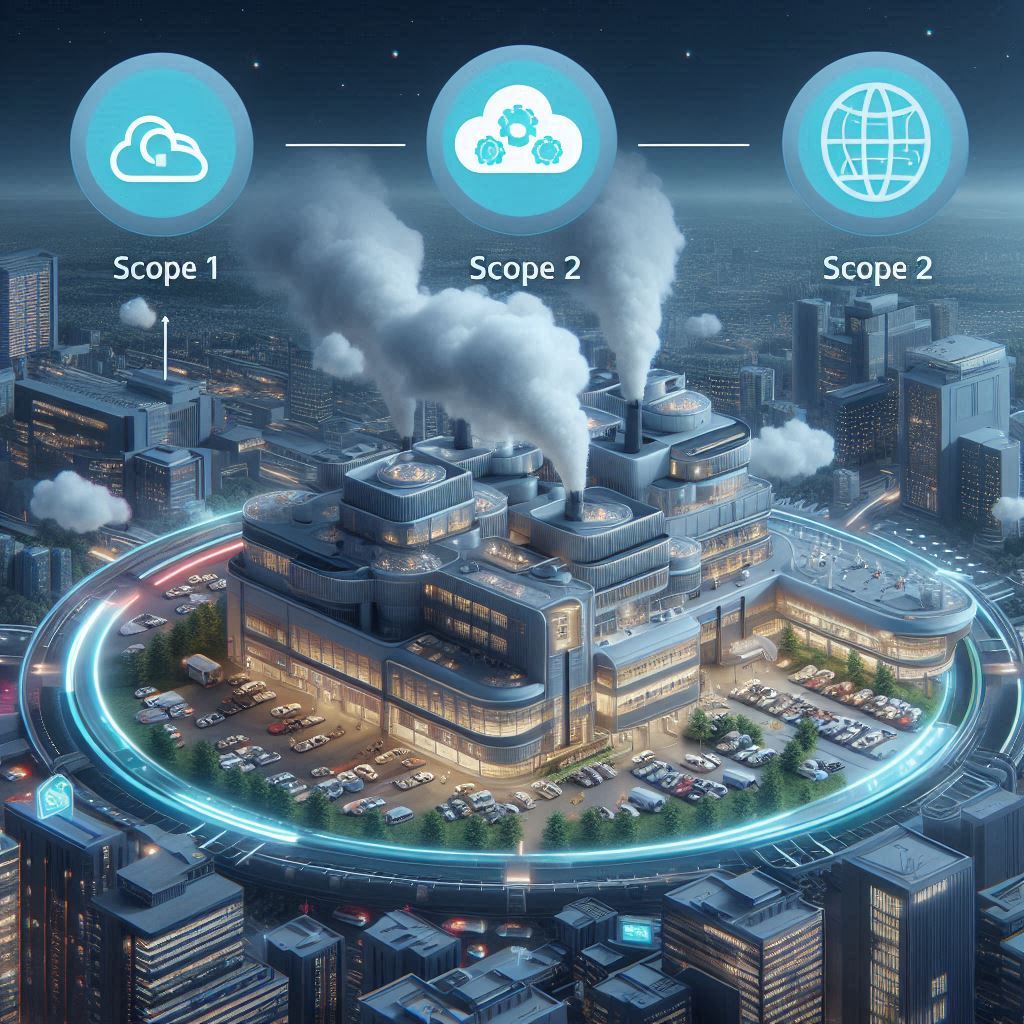
UNDERSTANDING SCOPE 1, 2, AND 3 EMISSIONS IN HEALTHCARE HOSPITAL BUILDINGS
With the increasing global focus on sustainability and carbon reduction, healthcare facilities, including hospitals, are under pressure to reduce their environmental impact. As large-scale operations with significant energy needs, hospitals contribute to carbon emissions in various ways. Understanding how these emissions are classified into Scope 1, Scope 2, and Scope 3 categories is critical for…
-

THE HIDDEN COSTS OF HVAC INEFFICIENCIES: HOW FDD CAN PREVENT COSTLY MISTAKES (PART 2)
HVAC systems are crucial for commercial buildings, but undetected faults can lead to energy waste and increased costs. A failed chilled water valve actuator in winter causes unnecessary energy use and higher operational costs. Asset Assess’ Fault Detection and Diagnostics (FDD) platform can prevent such issues through early detection, real-time alerts, and cost impact projections.
-

THE HIDDEN COST OF HVAC INEFFICIENCIES: HOW FDD CAN PREVENT COSTLY MISTAKES (PART 1)
HVAC systems in large buildings are vital for indoor comfort and air quality, but can be prone to inefficiencies, resulting in significant energy wastage and costs. Asset Assess’ Fault Detection and Diagnostics (FDD) platform can prevent issues like stuck dampers, saving energy and money. FDD offers real-time monitoring, fault detection, and actionable insights for peak…
-

MAXIMISING BUILDING PERFORMANCE WITH HVAC FAULT DETECTION AND DIAGNOSTICS DURING COMMISSIONING
Commissioning a building’s HVAC system is crucial for optimal performance. Fault Detection and Diagnostics (FDD) technology, integrated during this phase, identifies inefficiencies and misconfigurations. FDD offers early fault detection, operational insight, and long-term benefits, addressing specific challenges like valve and damper misconfigurations, sensor calibration errors, and inefficient staging strategies. FDD ensures efficient operation from installation…
-
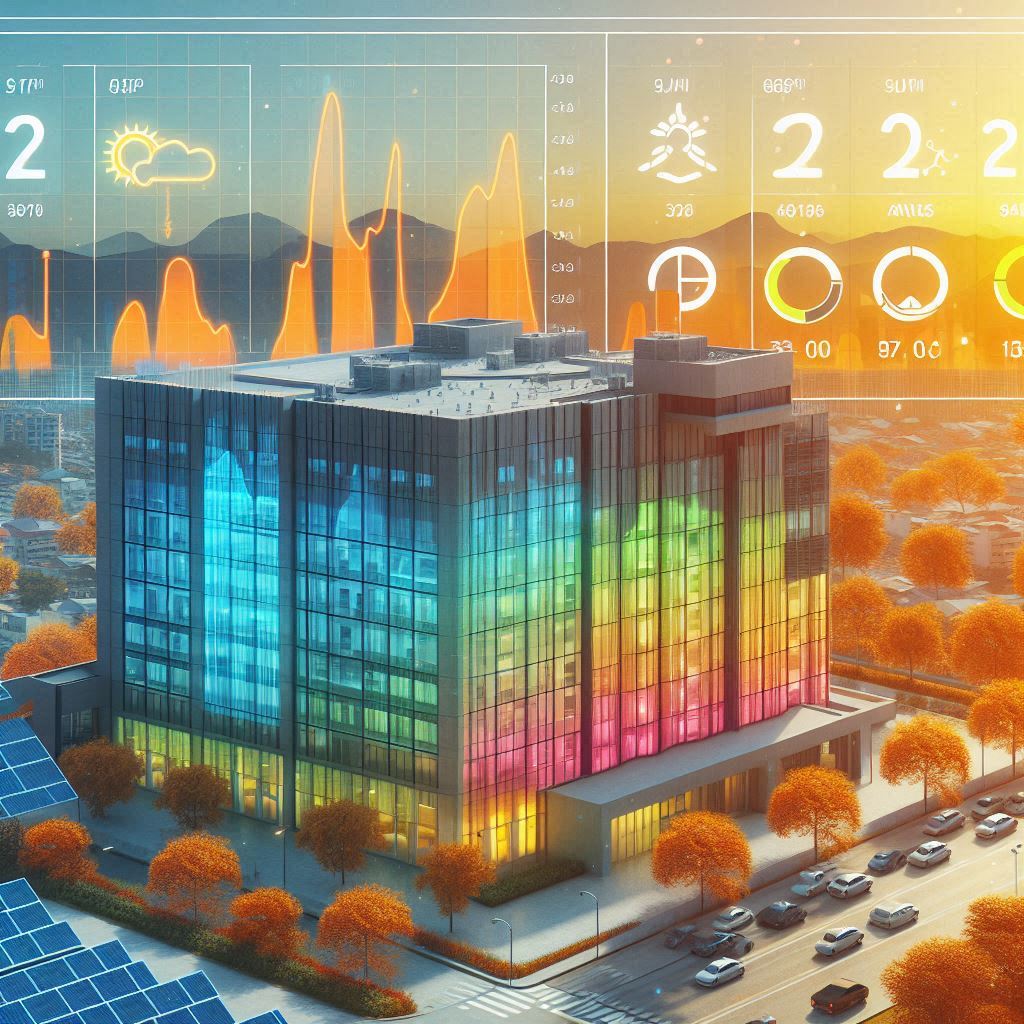
UNDERSTANDING DEGREE DAYS: THEORY AND APPLICATION
Degree days are crucial for energy management in buildings. They quantify temperature variations to estimate heating and cooling energy needs. By comparing outdoor temperatures to a base temperature, heating and cooling degree days are calculated. Degree days help forecast energy consumption, optimize HVAC systems, and benchmark building performance. They also have broader applications beyond HVAC…
 Intelligent Insights : Efficient Buildings