
Category: NZC
-

Calibrating Expectations: A Modern Approach to HVAC Commissioning
This article discusses the challenges faced in HVAC systems from design to operation, highlighting gaps in commissioning and fitout integration. It emphasises the need for continuous commissioning to optimise performance and reduce energy consumption. Asset Assess offers data-driven solutions to ensure ongoing effectiveness, improving comfort and lowering operating costs.
-

ENERGY FLEXIBILITY: THE NEXT ENERGY EFFICIENCY FRONTIER
Australia aims for net-zero emissions by 2050, emphasizing energy flexibility alongside renewable sources like wind and solar. Buildings can act as thermal batteries, optimizing energy use during price fluctuations. Implementing strategies in HVAC systems can yield significant cost savings and enhance grid stability, supporting a sustainable energy future. Credit Jason Jarvinen for providing some valuable…
-
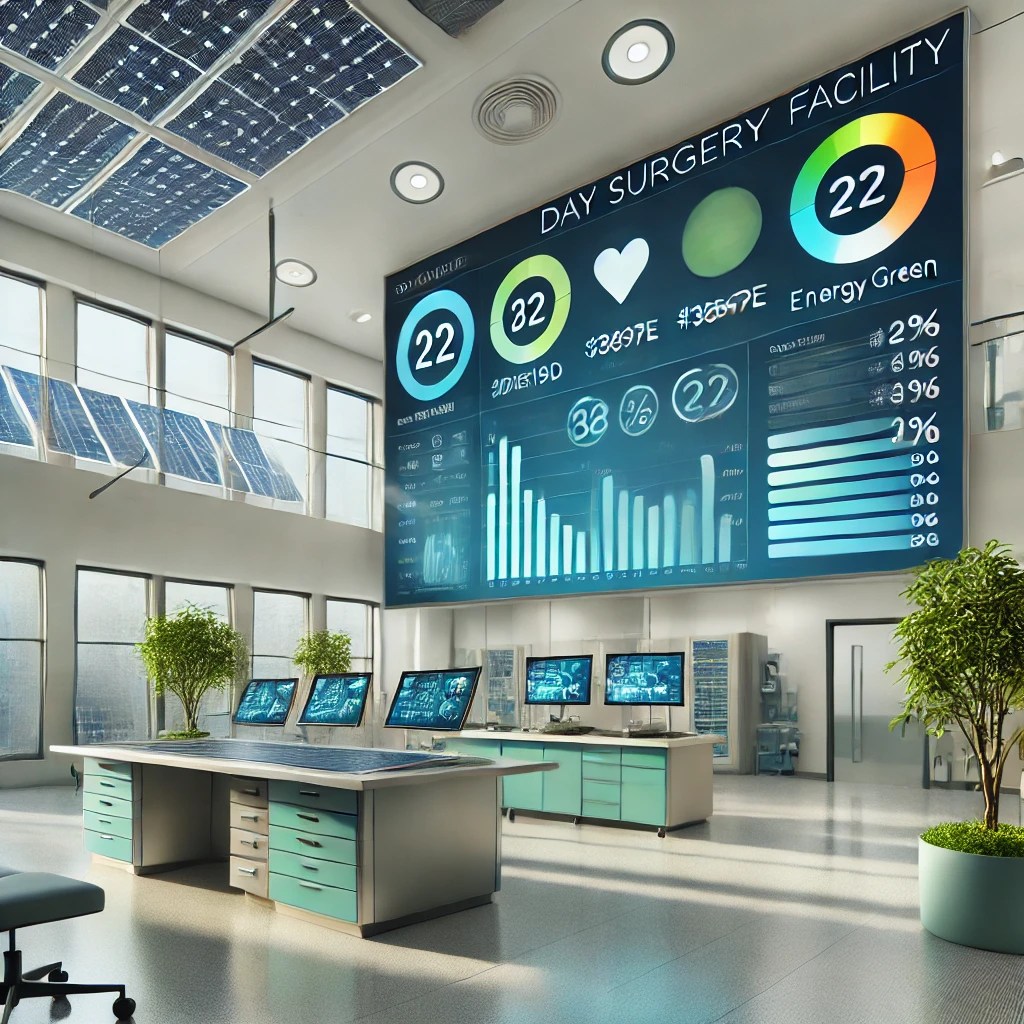
CASE STUDY – SURGICAL CENTER ENERGY OPTIMISATION
Established in 1988, a day surgery center faced challenges in maintaining optimal environmental conditions for surgical operations due to an ineffective building automation system. To address this, Asset Assess implemented a Fault Detection and Diagnostics (FDD) platform, resulting in a 46% reduction in energy consumption, improved environmental control, and sustained compliance with healthcare standards.
-

FDD ANALYSIS FOR VRF SYSTEMS MONITORING
Variable Refrigerant Flow (VRF) systems, essential in modern HVAC technology, offer efficient heating and cooling. Despite their popularity, they face challenges in Fault Detection and Diagnostics (FDD) due to limited data access. Recent advancements allow for more comprehensive diagnostics, enhancing VRF system performance and enabling proactive maintenance for improved longevity and efficiency.
-

HOW FAULT DETECTION AND DIAGNOSTICS EMPOWERS EXECUTIVE UPLINE REPORTING
Asset Assess’s Fault Detection and Diagnostics (FDD) platform equips executives with essential insights for facilities management, enabling effective reporting on asset performance and sustainability. By centralizing data and tracking KPIs, the platform enhances transparency and showcases ROI, aiding in risk management and customized reporting tailored for various stakeholders.
-

HEAT PUMPS VS INSTANTANEOUS GAS HEATING SYSTEMS AND BOILERS: THE FUTURE OF LARGE-SCALE WATER HEATING
Large-scale water heating in high-rise apartments, hospitals, and commercial properties is shifting from gas boilers to energy-efficient heat pumps. These systems offer simultaneous heating and cooling, recapture waste energy, and significantly reduce Scope 1 greenhouse gas emissions. Integration with thermal energy storage amplifies energy savings and lowers grid demand, enhancing overall efficiency.
-

FLYWHEEL ENERGY STORAGE SYSTEMS: A KEY COMPONENT IN BUILDING ENERGY EFFICIENCY AND CARBON REDUCTION
Flywheel Energy Storage Systems (FESS) provide efficient, sustainable energy storage for grid-interactive buildings like hospitals, universities, and commercial properties. Offering advantages such as longevity, fast response times, and lower environmental impact, FESS enhances energy resilience and supports carbon reduction goals, making it a superior alternative to traditional battery storage solutions.
-

INTRODUCTION TO PHASE CHANGE THERMAL ENERGY STORAGE
Phase change materials (PCMs) enhance thermal energy storage in energy-intensive buildings like hospitals and universities. They absorb and release heat during phase transitions, promoting energy efficiency and grid flexibility. Although retrofitting costs and complexity may present challenges, the long-term benefits include significant energy savings and lower carbon emissions, making PCMs a valuable investment.
-

THE POWER OF SMALL ACTIONS AND HUMAN INFLUENCE ON BUILDING EFFICIENCY
Asset Assess emphasises the impact of small decisions in building operations. Their Fault Detection and Diagnostics platform provides insights to optimise efficiency and value across various areas. By making small, data-driven adjustments, building managers can significantly reduce energy consumption, improve water management, and enhance indoor environment quality, contributing to sustainability and financial performance.
-
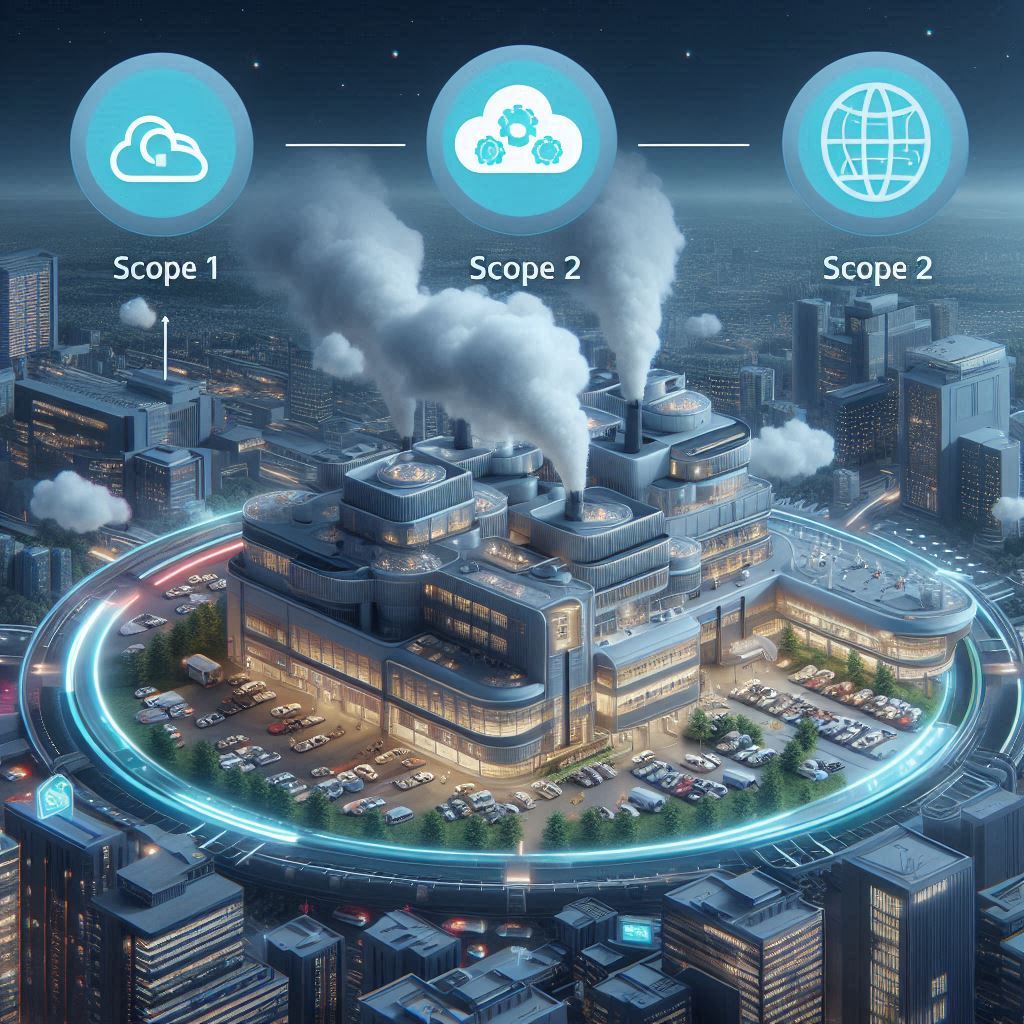
UNDERSTANDING SCOPE 1, 2, AND 3 EMISSIONS IN HEALTHCARE HOSPITAL BUILDINGS
With the increasing global focus on sustainability and carbon reduction, healthcare facilities, including hospitals, are under pressure to reduce their environmental impact. As large-scale operations with significant energy needs, hospitals contribute to carbon emissions in various ways. Understanding how these emissions are classified into Scope 1, Scope 2, and Scope 3 categories is critical for…
 Intelligent Insights : Efficient Buildings