
Category: healthcare
-
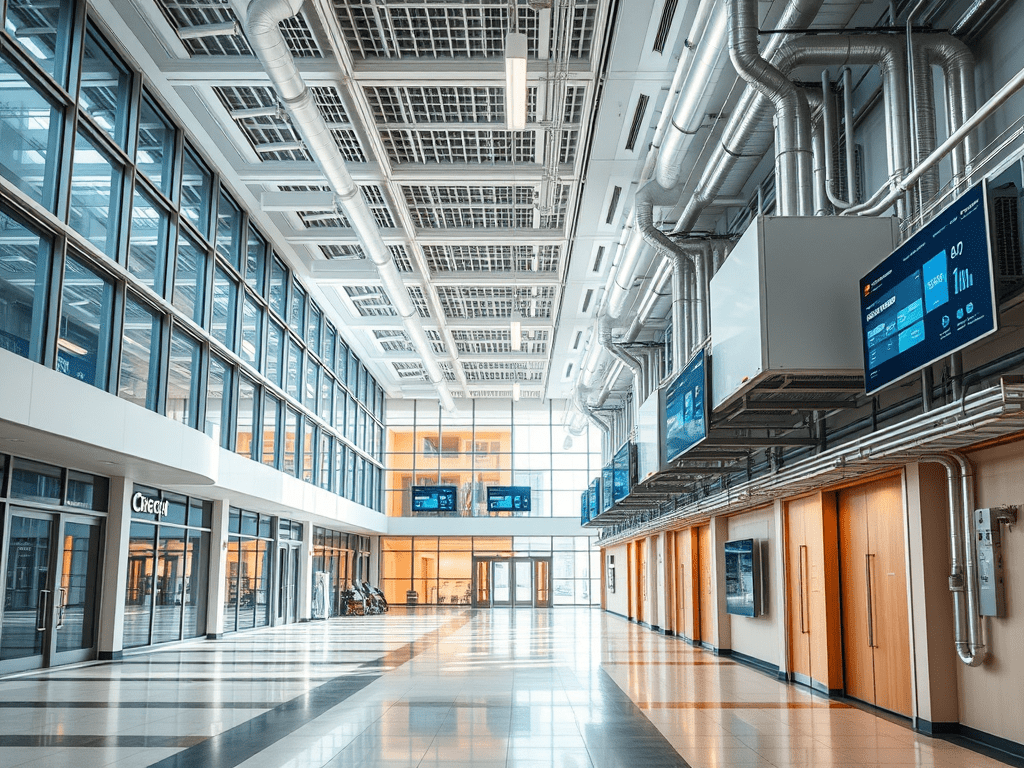
Why HVAC Still Ignores Occupants — And How Asset Assess Changes That
A recent article questions why HVAC systems operate as if all building spaces are occupied, despite existing data. Asset Assess proposes occupancy-based HVAC control, integrating real-time analytics without replacing infrastructure. This approach can reduce energy costs by 15–30%, enhance comfort, and inform strategic decisions, maximizing efficiency and sustainability.
-
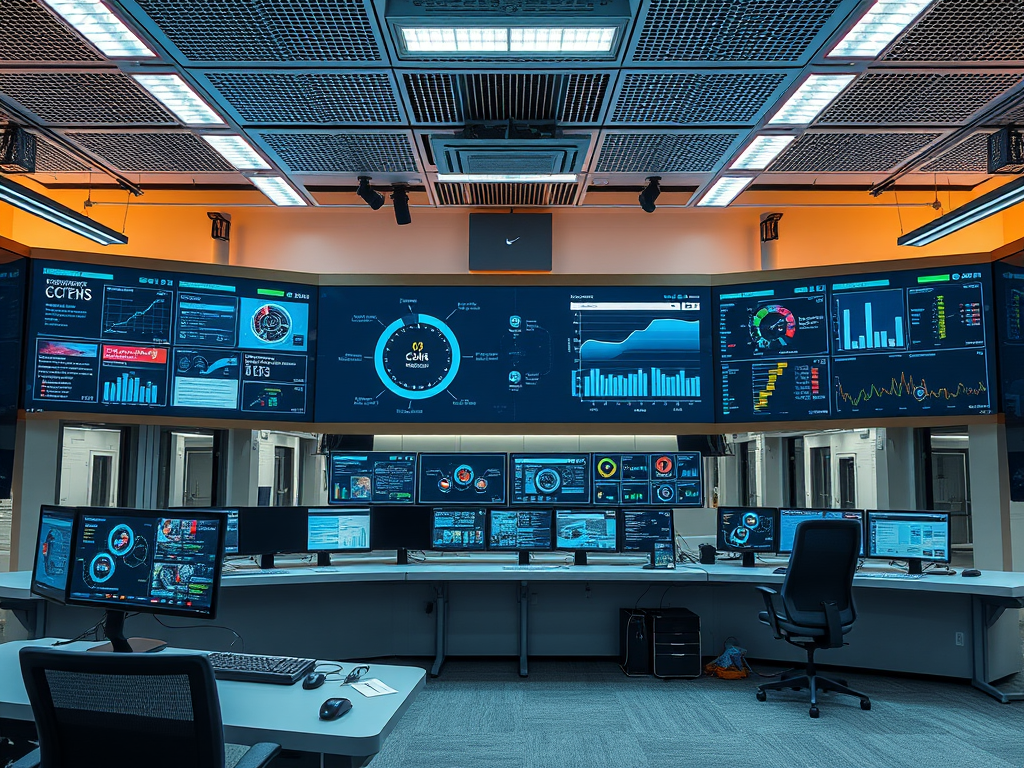
Condition-Based Everything:
Asset Assess is revolutionising facilities management in Australia by introducing a condition-based approach that enhances operational efficiency and reduces costs. Our platform employs real-time data for fault detection, improving energy management, maintenance operations, and capital planning. Facilities benefit from greater asset reliability, reduced maintenance time, and significant cost savings.
-

Calibrating Expectations: A Modern Approach to HVAC Commissioning
This article discusses the challenges faced in HVAC systems from design to operation, highlighting gaps in commissioning and fitout integration. It emphasises the need for continuous commissioning to optimise performance and reduce energy consumption. Asset Assess offers data-driven solutions to ensure ongoing effectiveness, improving comfort and lowering operating costs.
-
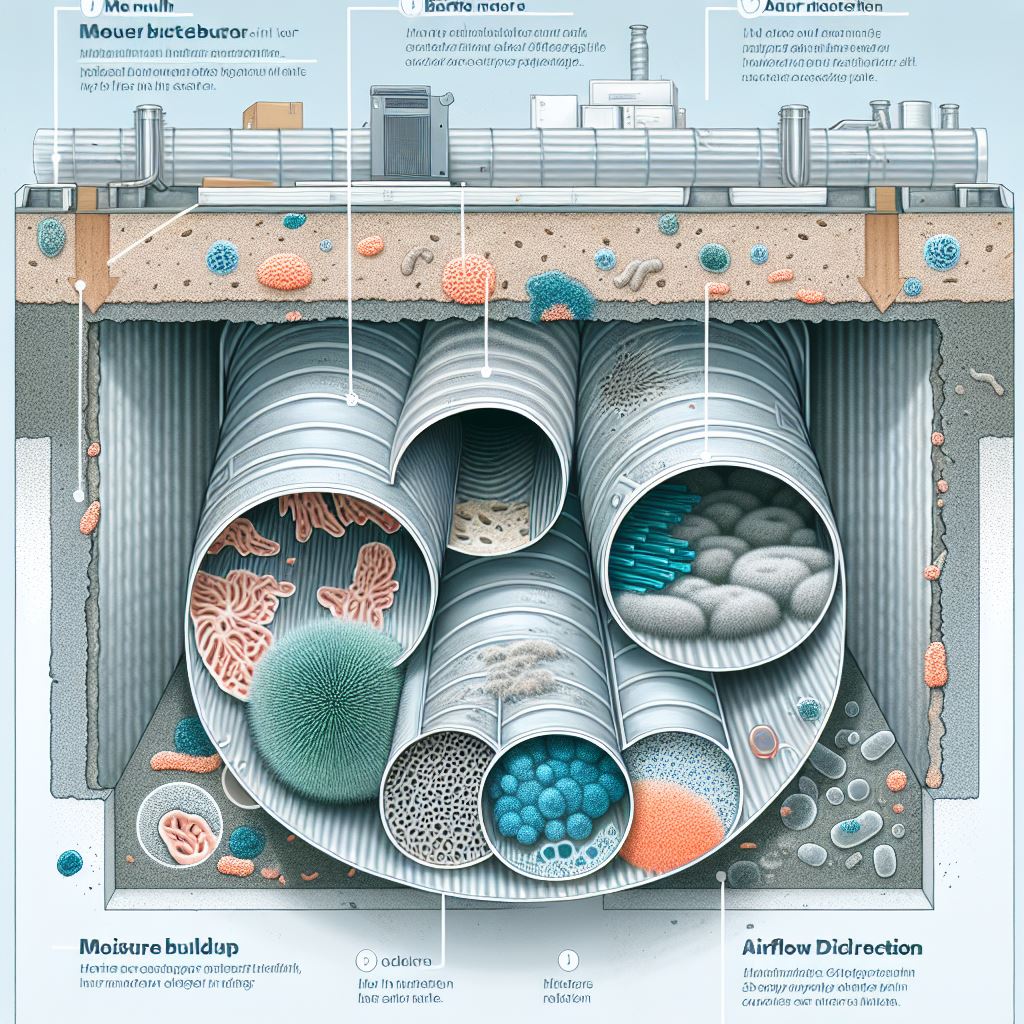
Microbial Control, Moisture, and HVAC: Why the Future of Healthy Buildings Starts with Better Monitoring
At AIRAH 2024, Dr. Claire Bird presented on the importance of managing HVAC systems to prevent microbial contamination and health risks. She emphasised the need for a comprehensive approach amidst rising demands for healthy buildings. Asset Assess supports this by providing real-time insights into HVAC efficiency and indoor air quality, addressing moisture and energy management…
-
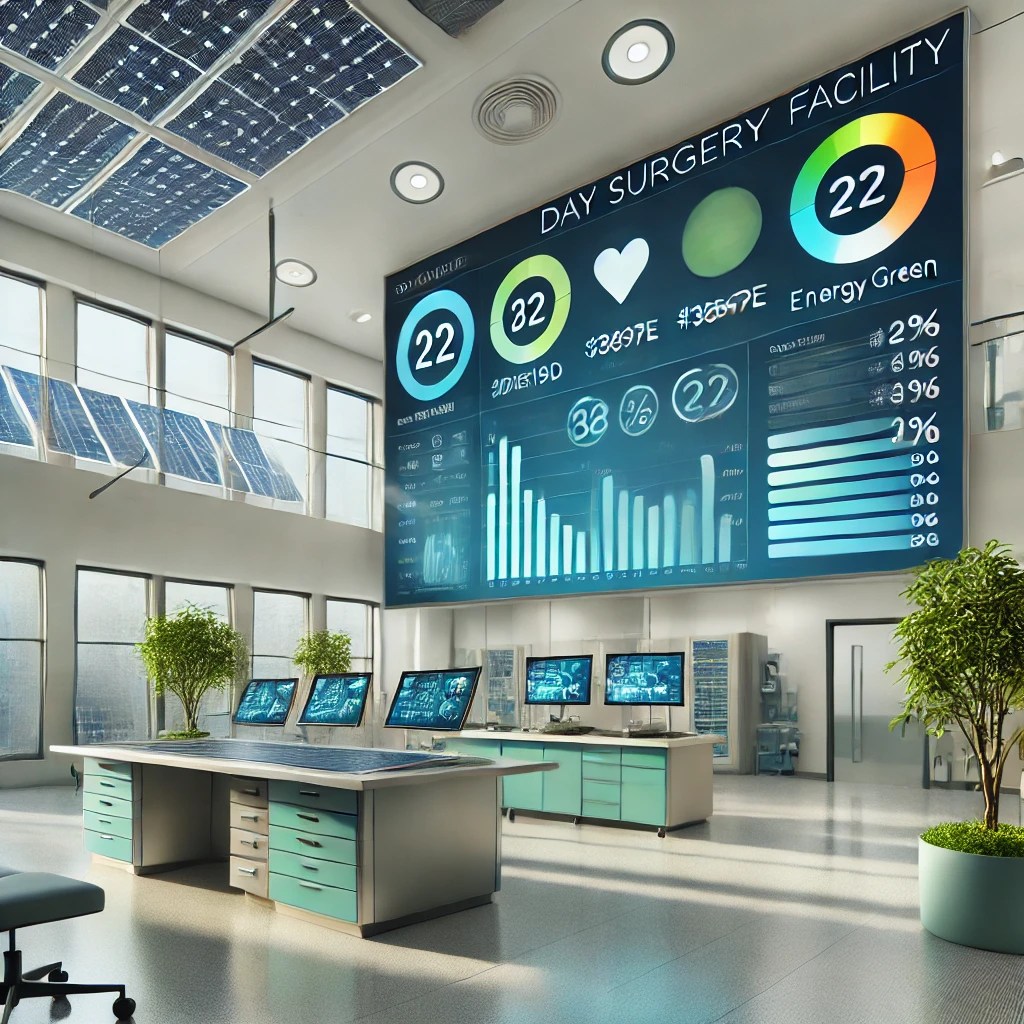
CASE STUDY – SURGICAL CENTER ENERGY OPTIMISATION
Established in 1988, a day surgery center faced challenges in maintaining optimal environmental conditions for surgical operations due to an ineffective building automation system. To address this, Asset Assess implemented a Fault Detection and Diagnostics (FDD) platform, resulting in a 46% reduction in energy consumption, improved environmental control, and sustained compliance with healthcare standards.
-

HARNESSING FAULT DETECTION AND DIAGNOSTICS (FDD) TO ENSURE OPTIMAL BUILDING VENTILATION PERFORMANCE
The built environment must ensure safe indoor air quality, yet ventilation systems often degrade, compromising health and energy efficiency. Fault Detection and Diagnostics technology enhances maintenance, measurement, and verification of these systems, addressing issues promptly and ensuring compliance with standards. This proactive approach contributes to safer, healthier indoor spaces for all occupants.
-
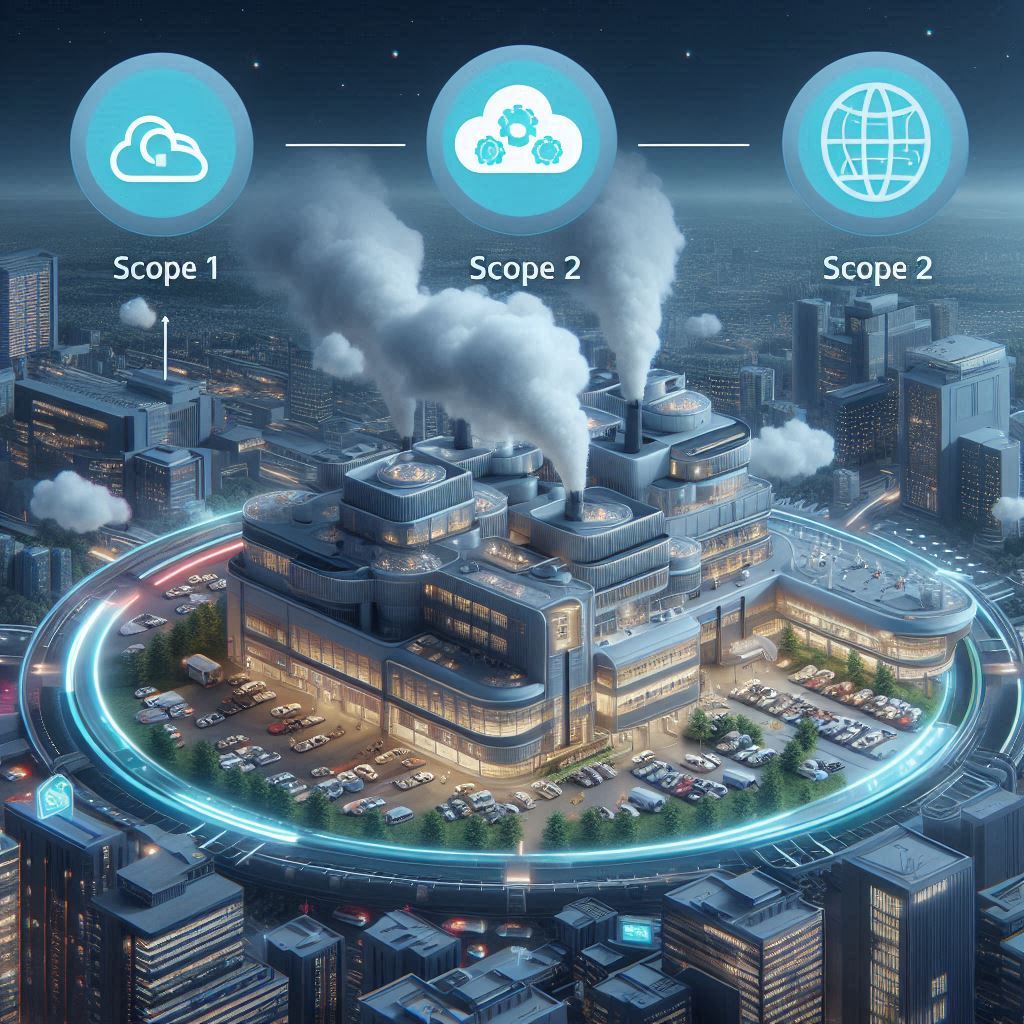
UNDERSTANDING SCOPE 1, 2, AND 3 EMISSIONS IN HEALTHCARE HOSPITAL BUILDINGS
With the increasing global focus on sustainability and carbon reduction, healthcare facilities, including hospitals, are under pressure to reduce their environmental impact. As large-scale operations with significant energy needs, hospitals contribute to carbon emissions in various ways. Understanding how these emissions are classified into Scope 1, Scope 2, and Scope 3 categories is critical for…
-

THE HIDDEN COST OF HVAC INEFFICIENCIES: HOW FDD CAN PREVENT COSTLY MISTAKES (PART 1)
HVAC systems in large buildings are vital for indoor comfort and air quality, but can be prone to inefficiencies, resulting in significant energy wastage and costs. Asset Assess’ Fault Detection and Diagnostics (FDD) platform can prevent issues like stuck dampers, saving energy and money. FDD offers real-time monitoring, fault detection, and actionable insights for peak…
-

BEYOND ENERGY: $0.00 IS ALSO WRONG.
SHOWING ALL THE VALUE FROM MAINTENANCE ACTIVITIES. Let’s start with a familiar picture when calculating cost savings in a building. Certain categories of maintenance issues or completed work show $0 avoidable cost associated or $0 dollars saved, despite clearly having an impact on energy savings or extension of equipment life. We’re looking at you, “Fan…
-

TRANSFORMING FACILITIES WITH FAULT DETECTION AND DIAGNOSTICS (FDD) FOR CONTINUOUS COMMISSIONING
As defined in the Federal Energy Management Program’s (FEMP) Commissioning Guidebook, Continuous Commissioning is “an ongoing process to resolve operating problems, improve comfort, optimise energy use and identify retrofits for existing commercial and institutional buildings and central plant facilities.” Where most Commissioning processes focus on bringing building operation to the original design intent, Continuous Commissioning…
 Intelligent Insights : Efficient Buildings