
Category: Energy Storage Systems
-

ENERGY FLEXIBILITY: THE NEXT ENERGY EFFICIENCY FRONTIER
Australia aims for net-zero emissions by 2050, emphasizing energy flexibility alongside renewable sources like wind and solar. Buildings can act as thermal batteries, optimizing energy use during price fluctuations. Implementing strategies in HVAC systems can yield significant cost savings and enhance grid stability, supporting a sustainable energy future. Credit Jason Jarvinen for providing some valuable…
-
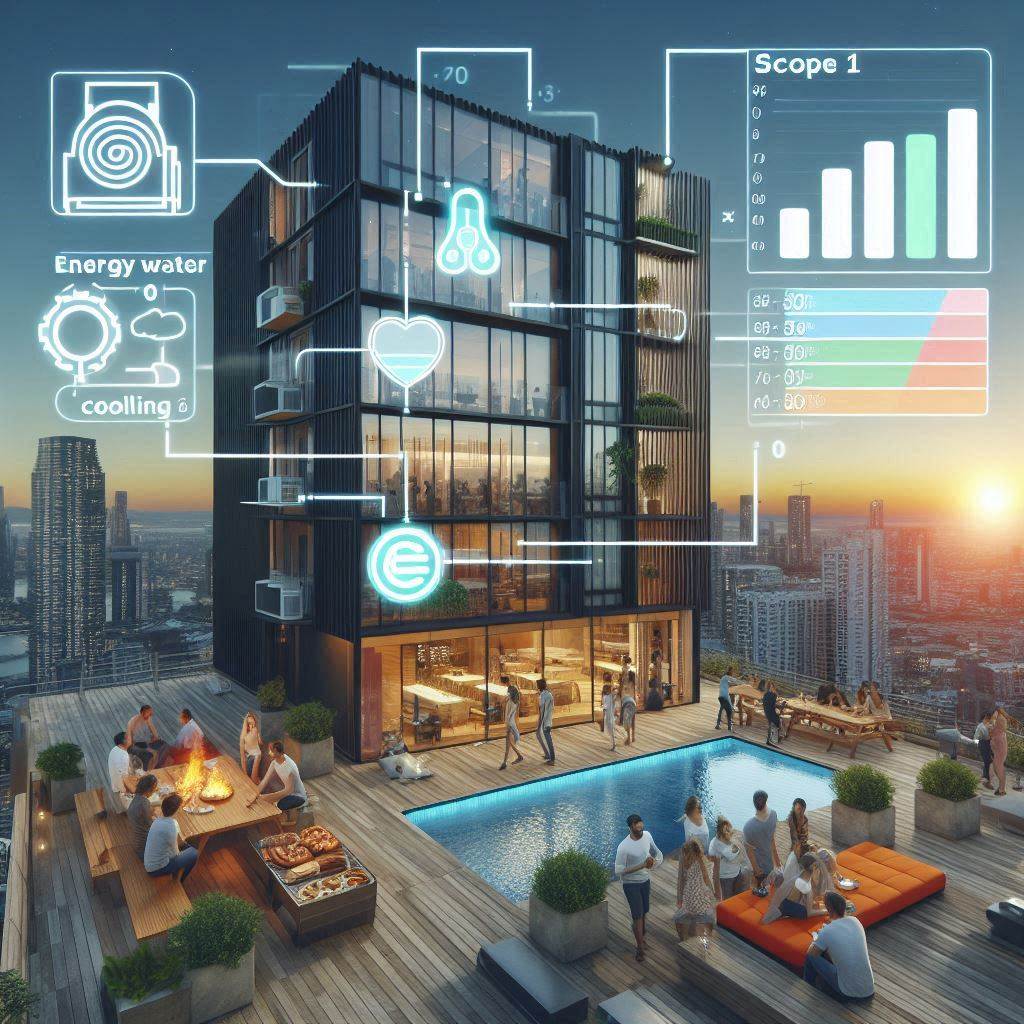
HEAT PUMPS VS INSTANTANEOUS GAS HEATING SYSTEMS AND BOILERS: THE FUTURE OF LARGE-SCALE WATER HEATING
Large-scale water heating in high-rise apartments, hospitals, and commercial properties is shifting from gas boilers to energy-efficient heat pumps. These systems offer simultaneous heating and cooling, recapture waste energy, and significantly reduce Scope 1 greenhouse gas emissions. Integration with thermal energy storage amplifies energy savings and lowers grid demand, enhancing overall efficiency.
-
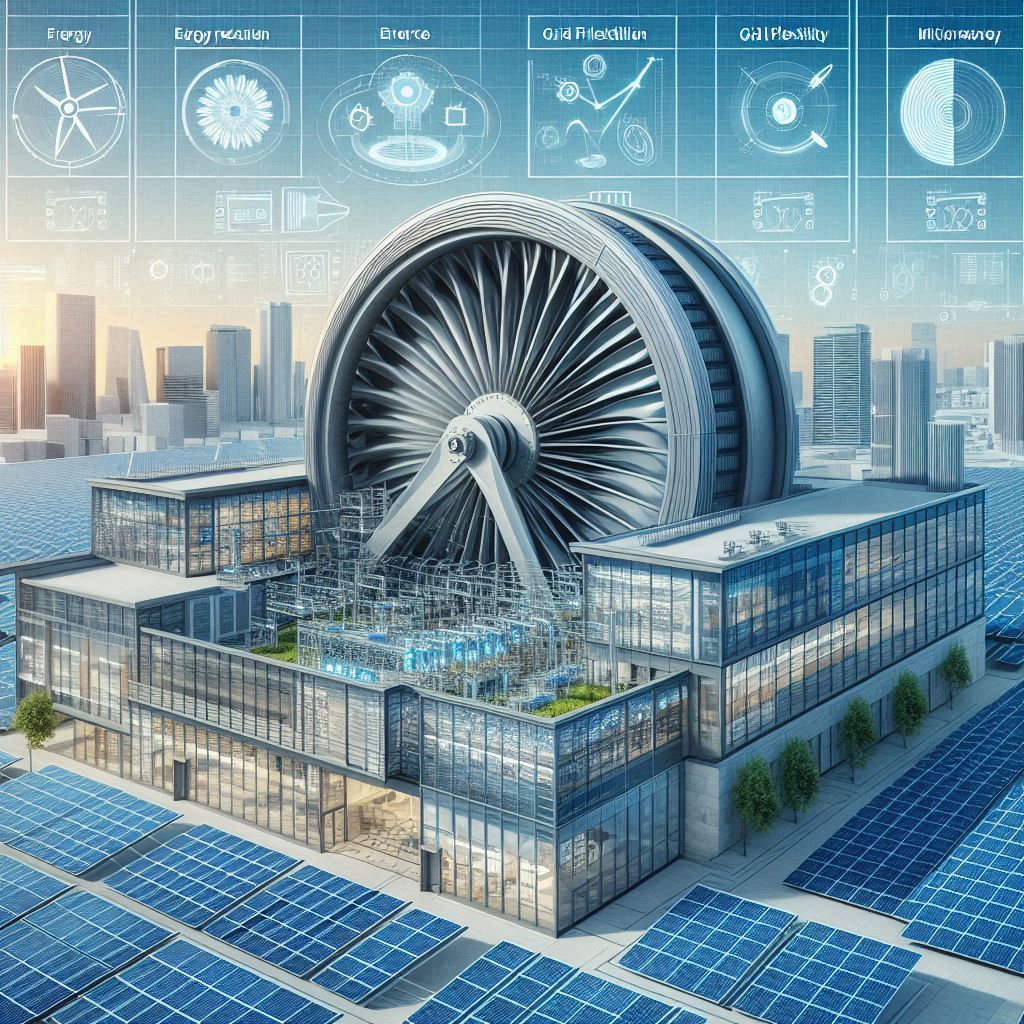
FLYWHEEL ENERGY STORAGE SYSTEMS: A KEY COMPONENT IN BUILDING ENERGY EFFICIENCY AND CARBON REDUCTION
Flywheel Energy Storage Systems (FESS) provide efficient, sustainable energy storage for grid-interactive buildings like hospitals, universities, and commercial properties. Offering advantages such as longevity, fast response times, and lower environmental impact, FESS enhances energy resilience and supports carbon reduction goals, making it a superior alternative to traditional battery storage solutions.
-
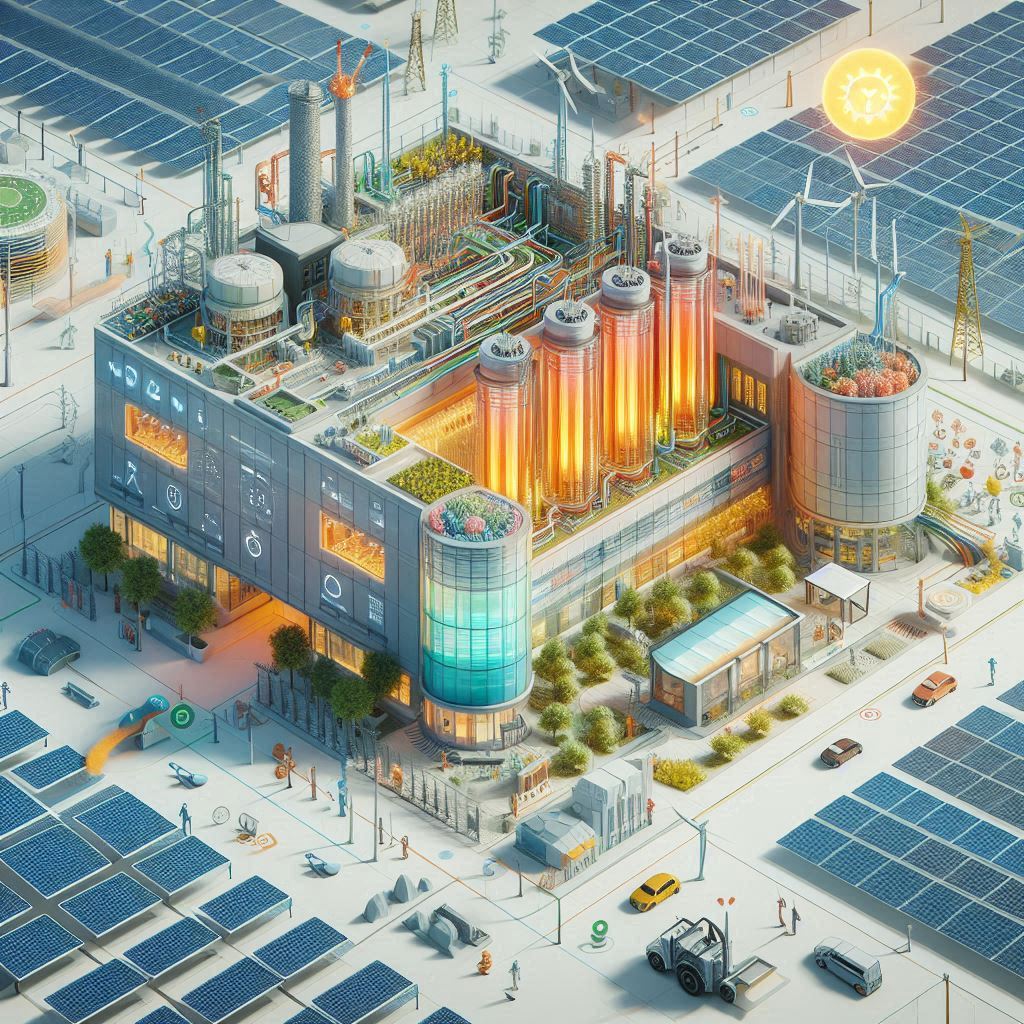
INTRODUCTION TO PHASE CHANGE THERMAL ENERGY STORAGE
Phase change materials (PCMs) enhance thermal energy storage in energy-intensive buildings like hospitals and universities. They absorb and release heat during phase transitions, promoting energy efficiency and grid flexibility. Although retrofitting costs and complexity may present challenges, the long-term benefits include significant energy savings and lower carbon emissions, making PCMs a valuable investment.
 Intelligent Insights : Efficient Buildings