
-

FLYWHEEL ENERGY STORAGE SYSTEMS: A KEY COMPONENT IN BUILDING ENERGY EFFICIENCY AND CARBON REDUCTION
Flywheel Energy Storage Systems (FESS) provide efficient, sustainable energy storage for grid-interactive buildings like hospitals, universities, and commercial properties. Offering advantages such as longevity, fast response times, and lower environmental impact, FESS enhances energy resilience and supports carbon reduction goals, making it a superior alternative to traditional battery storage solutions.
-

INTRODUCTION TO PHASE CHANGE THERMAL ENERGY STORAGE
Phase change materials (PCMs) enhance thermal energy storage in energy-intensive buildings like hospitals and universities. They absorb and release heat during phase transitions, promoting energy efficiency and grid flexibility. Although retrofitting costs and complexity may present challenges, the long-term benefits include significant energy savings and lower carbon emissions, making PCMs a valuable investment.
-

THE POWER OF SMALL ACTIONS AND HUMAN INFLUENCE ON BUILDING EFFICIENCY
Asset Assess emphasises the impact of small decisions in building operations. Their Fault Detection and Diagnostics platform provides insights to optimise efficiency and value across various areas. By making small, data-driven adjustments, building managers can significantly reduce energy consumption, improve water management, and enhance indoor environment quality, contributing to sustainability and financial performance.
-
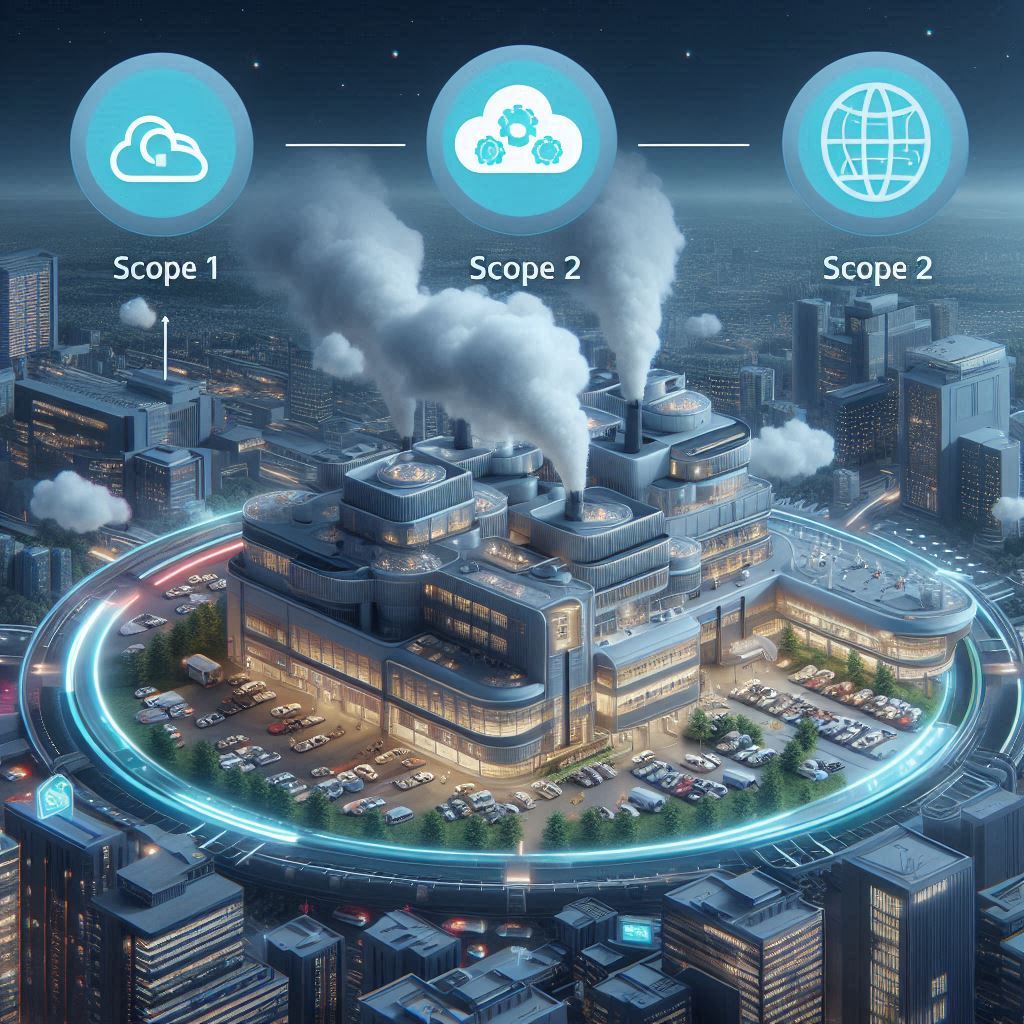
UNDERSTANDING SCOPE 1, 2, AND 3 EMISSIONS IN HEALTHCARE HOSPITAL BUILDINGS
With the increasing global focus on sustainability and carbon reduction, healthcare facilities, including hospitals, are under pressure to reduce their environmental impact. As large-scale operations with significant energy needs, hospitals contribute to carbon emissions in various ways. Understanding how these emissions are classified into Scope 1, Scope 2, and Scope 3 categories is critical for…
-

THE HIDDEN COSTS OF HVAC INEFFICIENCIES: HOW FDD CAN PREVENT COSTLY MISTAKES (PART 2)
HVAC systems are crucial for commercial buildings, but undetected faults can lead to energy waste and increased costs. A failed chilled water valve actuator in winter causes unnecessary energy use and higher operational costs. Asset Assess’ Fault Detection and Diagnostics (FDD) platform can prevent such issues through early detection, real-time alerts, and cost impact projections.
 Intelligent Insights : Efficient Buildings