

THE ROAD TO NET ZERO: A SHIFT IN FOCUS
Achieving net-zero emissions by 2050 is a critical objective for Australia, with renewable energy sources like wind and solar playing a central role. However, unlike coal or gas, these energy sources cannot be ramped up on demand. The fluctuating nature of renewable energy generation means that energy efficiency alone is not enough—we need to think about energy flexibility.
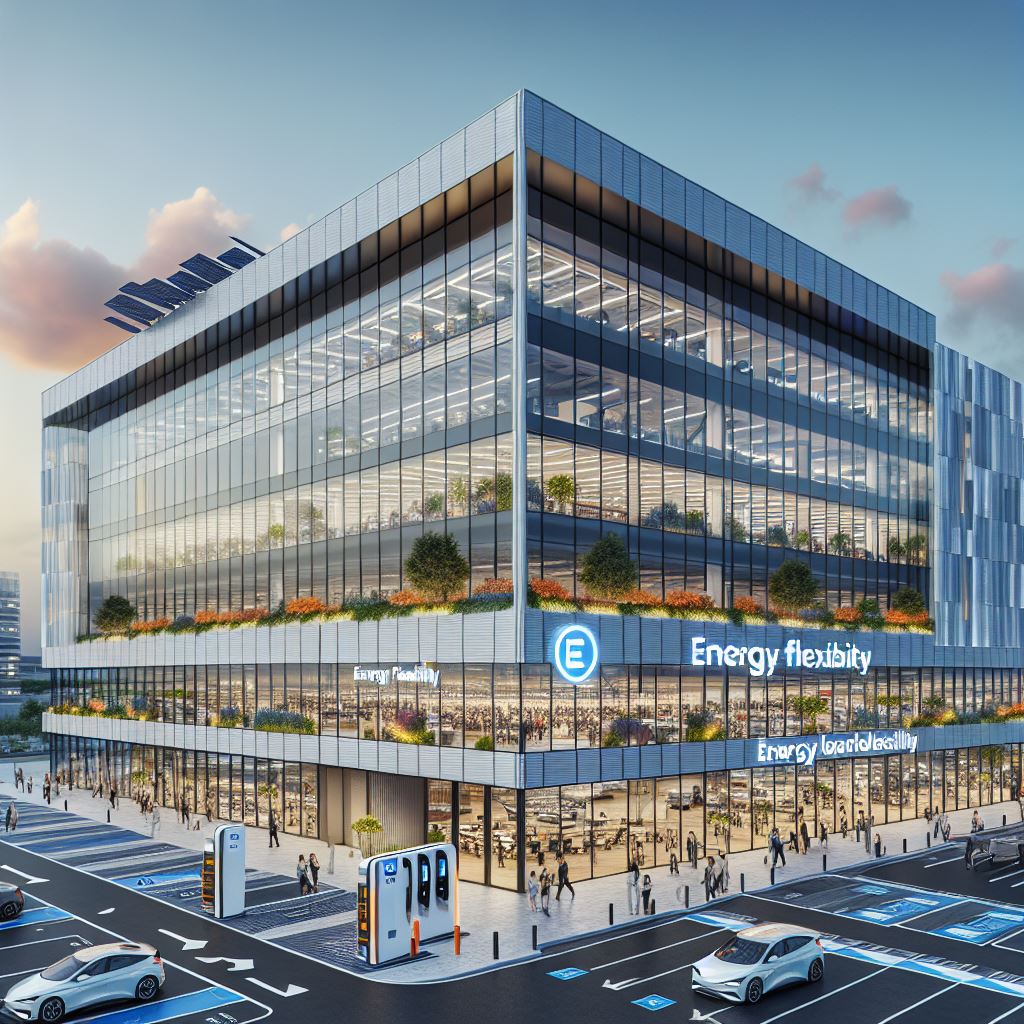
WHY ENERGY FLEXIBILITY MATTERS
Energy flexibility refers to the ability to adjust and shift energy consumption in response to supply availability or pricing signals. In a world dominated by renewables, the focus must shift from merely reducing consumption to optimising when and how we use energy. This is where buildings come into play—not just as energy consumers but as dynamic participants in the grid.
BUILDINGS AS BATTERIES
Think of a building as a thermal battery. Here’s why:
- It can store energy – Buildings absorb and retain heat or coolth in their thermal mass.
- It can be charged – HVAC systems can pre-cool or pre-heat spaces during times of low-cost energy availability.
- It can be discharged – Energy stored in the building can be used to offset peak demand periods, reducing reliance on expensive or carbon-intensive electricity.
With smart control systems in place, HVAC systems can actively manage this thermal charge, helping buildings become flexible energy assets rather than passive loads.
THE ROLE OF WHOLESALE ENERGY PRICING
A critical factor in energy flexibility is understanding when to consume energy. The Australian Energy Market Operator (AEMO) operates on a unique model with 5-minute trading intervals, making the market extremely volatile. Electricity prices can fluctuate dramatically throughout the day, and by responding to these fluctuations, buildings can reduce costs and support grid stability.
A building’s HVAC system can act as a form of energy arbitrage, shifting consumption away from peak pricing periods and towards cheaper times. This strategic load shifting is a key tool in energy cost management.
IMPLEMENTING ENERGY FLEXIBILITY IN HVAC SYSTEMS
Two primary methods have been tested to optimise HVAC operation for energy flexibility:
- Setpoint Bumping – Adjusting temperature setpoints by 1°C when energy prices are high. This method is effective across most HVAC systems and has minimal impact on occupant comfort.
- Chilled Water Setpoint Adjustments – Fine-tuning chilled water temperature settings to optimise energy use without compromising comfort. Since chilled water valves automatically adjust to maintain setpoints, this method allows cost savings without affecting cooling performance.
THE BUSINESS CASE FOR ENERGY FLEXIBILITY
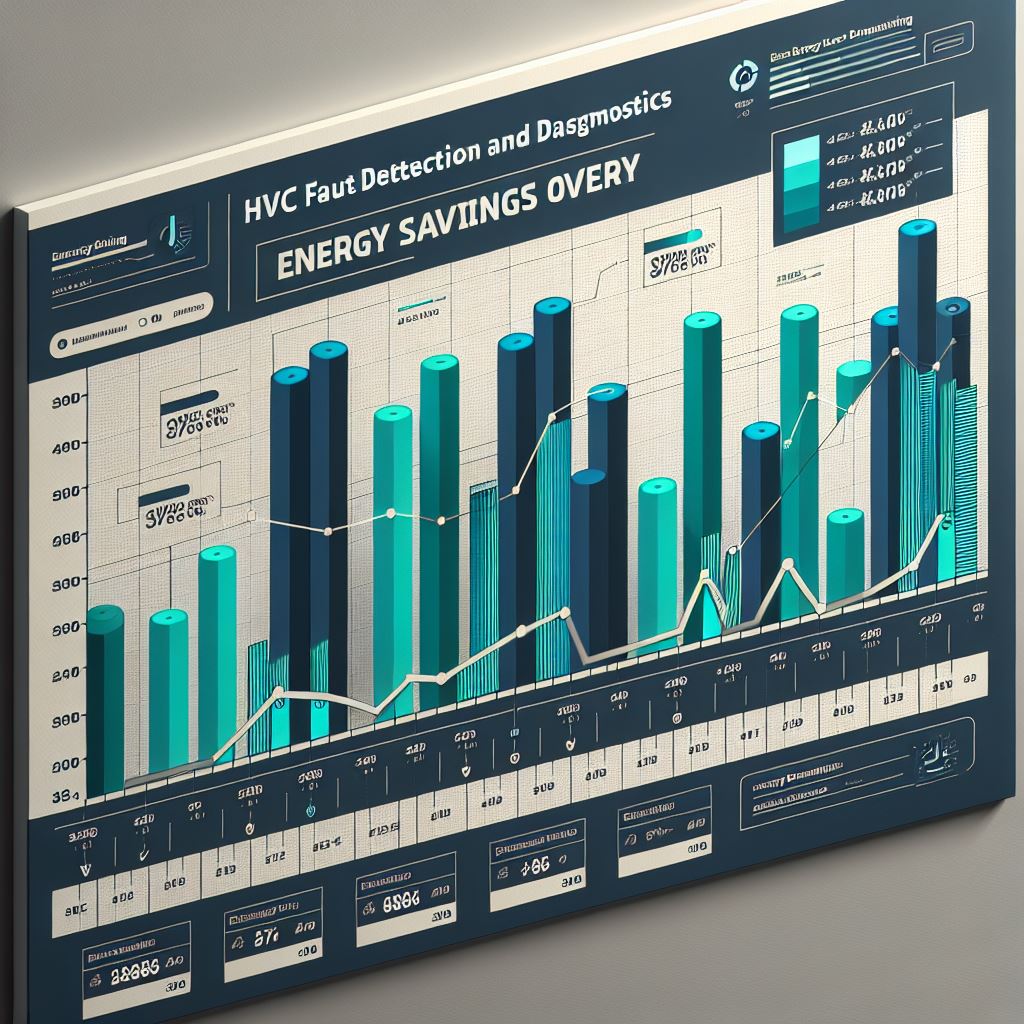
Recent simulations have shown that optimising HVAC energy use through flexibility measures can deliver up to 14.2% cost savings annually, even when total cooling energy use increases. This demonstrates that shifting energy use based on price signals can be more effective than simply reducing consumption.
However, it is important to note that energy efficiency should still remain a key focus. A more efficient HVAC system results in lower overall energy consumption, reducing reliance on grid power. This, in turn, decreases the need for large-scale energy infrastructure upgrades, enabling the use of smaller offsite energy production and storage solutions. Additionally, reducing total energy demand helps to lower emissions associated with the manufacturing and construction of energy capture and storage systems.
To make energy flexibility mainstream, policymakers should consider:
- Mandating large assets to have exposure to wholesale electricity prices, fostering a demand response market.
- Introducing an Energy Flexibility Rating System, similar to NABERS, to encourage businesses to optimise energy use.
THE FUTURE OF ENERGY MANAGEMENT
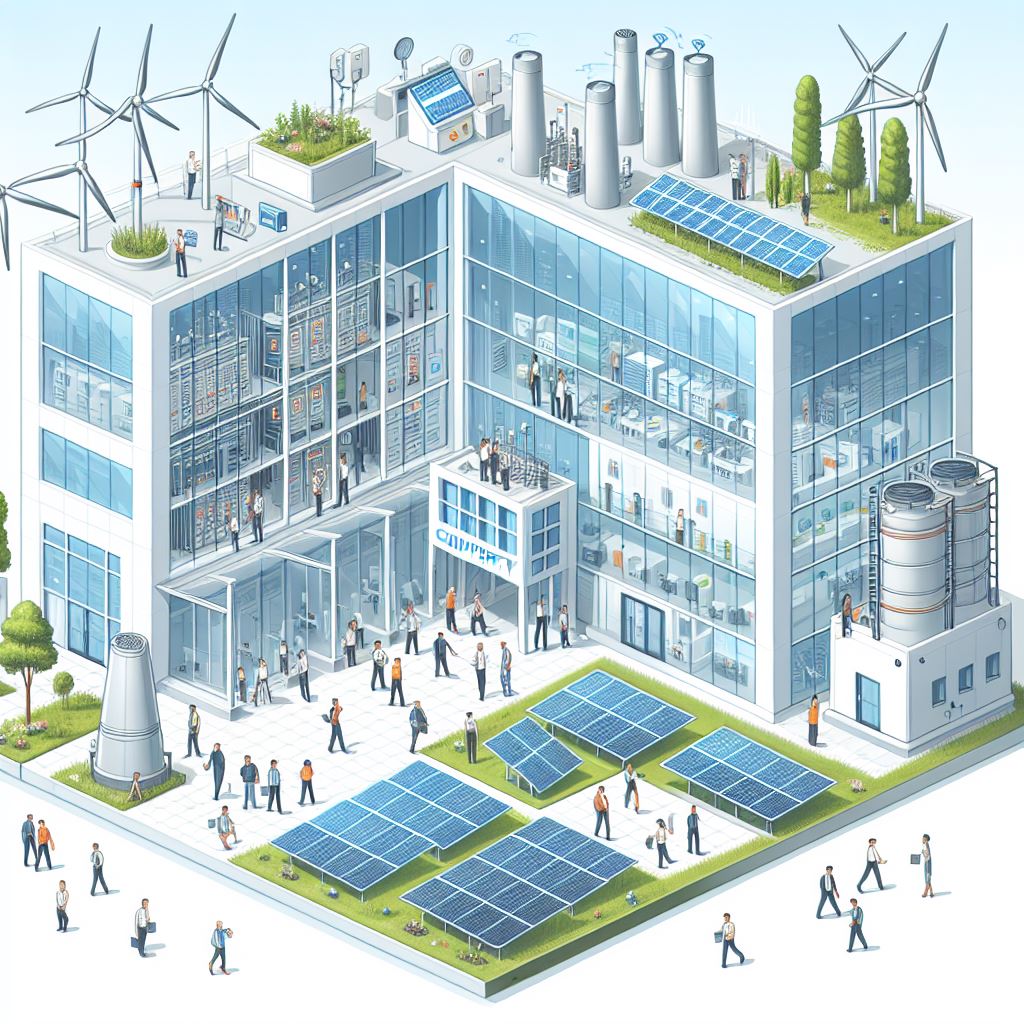
As renewable energy adoption accelerates, the way we manage energy in buildings must evolve. By leveraging smart control strategies, real-time pricing data, and building automation, we can transform HVAC systems into proactive energy assets.
Energy flexibility is not just a cost-saving strategy—it’s an essential component of a resilient and sustainable energy future.
Credit Jason Jarvinen for providing some valuable insights at the #AIRAH #HVAC24 conference in Brisbane.
 Intelligent Insights : Efficient Buildings
Leave a comment