

The built environment is tasked with maintaining safe and healthy indoor air quality (IAQ), particularly as highlighted by the Safer Shared Air Project. Yet, ventilation systems, critical for delivering clean air, often degrade over time due to wear, poor maintenance, and insufficient monitoring. This degradation can lead to systems operating below design intent, compromising occupant health, safety, and energy efficiency. Fault Detection and Diagnostics (FDD) technology, a cornerstone of advanced building analytics, offers a powerful solution to mitigate these challenges.
By functioning as a maintenance, measurement and verification (M&V), and continuous commissioning tool, FDD ensures ventilation systems operate as designed throughout their lifecycle.
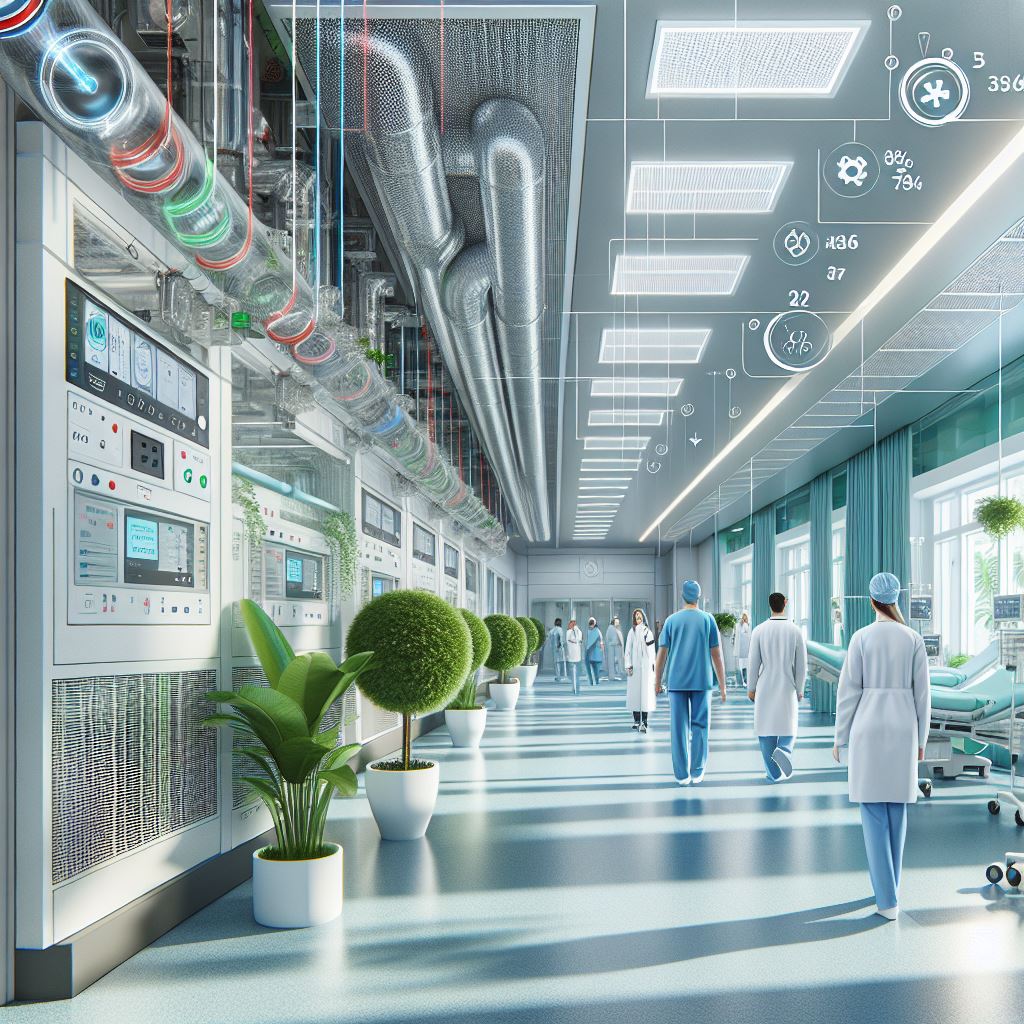
THE CHALLENGE: VENTILATION SYSTEM DEGRADATION
In many buildings, initial ventilation performance aligns with design specifications. However, factors like filter clogging, sensor drift, improper damper operation, or fan degradation often go unnoticed, allowing performance to deteriorate. The consequences include:
- Inadequate Ventilation Rates: Reducing fresh air delivery and exacerbating the accumulation of airborne pathogens and pollutants.
- Increased Energy Costs: Faulty components force HVAC systems to work harder, consuming more energy.
- Non-Compliance with Standards: IAQ and ventilation standards, such as ASHRAE 62.1 or Australian IAQ guidelines, may be violated, increasing liability risks.
This scenario undermines the goal of providing safe and inclusive indoor environments, as advocated by the Safer Air Project.
CAN WE BE PART OF THE SOLUTION: FDD AS A MAINTENANCE TOOL
FDD systems provide real-time insights into the performance of ventilation systems by continuously monitoring parameters such as airflow rates, temperature differentials, fan speeds, and filter status. When deviations from expected performance occur, the system identifies faults and their potential causes. Here’s how FDD excels in maintenance:
- Automated Fault Detection:
- FDD algorithms identify issues like fan inefficiency, damper misalignment, or filter blockages before they escalate into major problems.
- For example, reduced airflow due to clogged filters can trigger alerts, prompting timely replacement to restore ventilation rates.
- Proactive Maintenance:
- Traditional maintenance often relies on fixed schedules, which can result in over-servicing or neglecting critical issues. FDD enables condition-based maintenance, focusing efforts on what needs attention.
- Extending Equipment Life:
- By addressing issues early, FDD reduces wear and tear, extending the lifespan of key ventilation components.

FDD FOR MEASUREMENT AND VERIFICATION (M&V)
One of the key benefits of FDD is its ability to serve as a robust M&V tool, ensuring ventilation systems deliver as promised. Accurate measurement and verification are critical for assessing compliance with IAQ standards and validating the effectiveness of retrofits or upgrades.
- Benchmarking Performance:
- FDD establishes a baseline for ventilation system performance, comparing real-time data against design intent or previous audits.
- Validating Interventions:
- Whether it’s the installation of high-efficiency filters or adjustments to ventilation rates, FDD measures the impact of these changes in real-time, providing transparent evidence of improvement.
- Compliance Reporting:
- Detailed reports generated by FDD systems support compliance with IAQ and ventilation standards, offering clear documentation for stakeholders, including facility managers and regulatory bodies.
CONTINUOUS COMMISSIONING: SUSTAINING IAQ STANDARDS
Continuous commissioning is essential for ensuring ventilation systems remain optimised over time. Unlike initial commissioning, which verifies performance at installation, continuous commissioning addresses the ongoing deviations caused by system aging or operational changes. Here’s how FDD facilitates this:
- Dynamic Monitoring:
- By continuously tracking key performance indicators, FDD identifies deviations from optimal operation, ensuring corrective actions are taken promptly.
- Adaptation to Building Use:
- Changes in building occupancy, layout, or use patterns can affect ventilation demands. FDD systems dynamically adapt, recalibrating systems to meet evolving needs.
- Energy Efficiency and Sustainability:
- Continuous commissioning improves energy efficiency by ensuring systems don’t overcompensate for faults, reducing carbon footprints in line with the goals of sustainable building operations.

CASE IN POINT: BRIDGING THE IAQ GAP
The Safer Air Project underscores the importance of maintaining safe IAQ for all occupants, particularly those with chronic health conditions. Yet, without robust monitoring tools, many ventilation systems fail to deliver the required air changes or pollutant removal rates, leaving vulnerable populations at risk.
FDD’s ability to continuously measure, verify, and optimise ventilation performance ensures systems operate as designed, addressing one of the key failings in the built environment. By integrating FDD into facility management practices, building owners can:
- Ensure compliance with IAQ standards.
- Prolong equipment lifespans and reduce costs.
- Demonstrate a commitment to health and inclusivity.
A PATH TOWARD SAFER INDOOR SPACES
As we spend approximately 90% of our time indoors, the role of ventilation systems in maintaining safe and inclusive environments cannot be overstated. Yet, the degradation of these systems over time remains a critical challenge. Fault Detection and Diagnostics offers a part of the overall solution, transforming ventilation maintenance, M&V, and commissioning processes.
Asset Assess’s platform empowers building operators to embrace these capabilities, ensuring ventilation systems support occupant health, energy efficiency, and regulatory compliance. Together, we can create safer, healthier, and more sustainable indoor spaces—where everyone can breathe easy.
 Intelligent Insights : Efficient Buildings
Leave a comment