
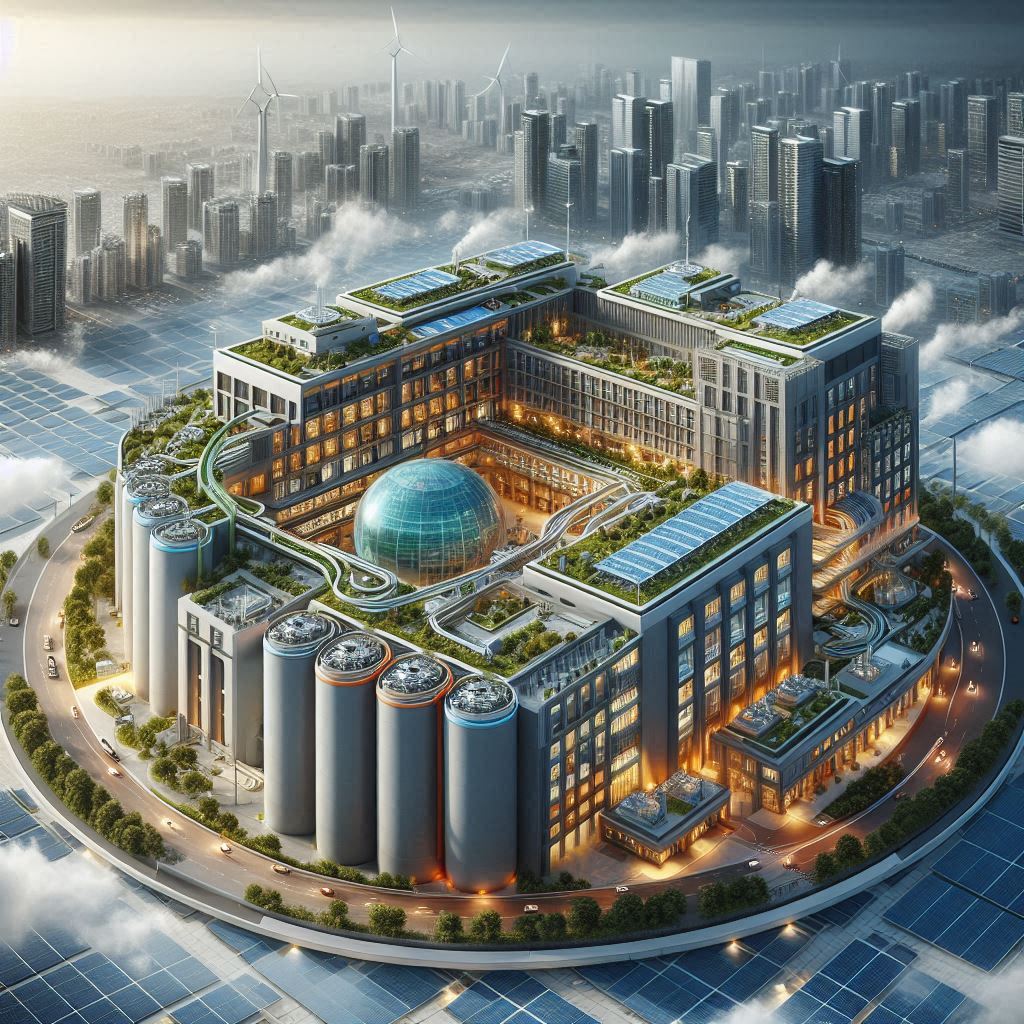
As the demand for energy efficiency and sustainable building solutions continues to grow, phase change materials (PCMs) are emerging as a powerful tool for improving thermal energy storage in large commercial facilities, universities, and hospitals. These buildings face high energy demands, and integrating PCMs into their infrastructure can significantly reduce energy consumption, enhance grid flexibility, and improve building comfort.
PCMs work by absorbing and releasing heat during phase transitions—typically from solid to liquid and back—allowing buildings to store excess energy during off-peak hours and release it during peak demand. In this post, we will explore the types of PCMs available, the pros and cons of these materials, and what a retrofit project would entail in facilities with grid-interactive utility connections.
TYPES OF PHASE CHANGE MATERIALS
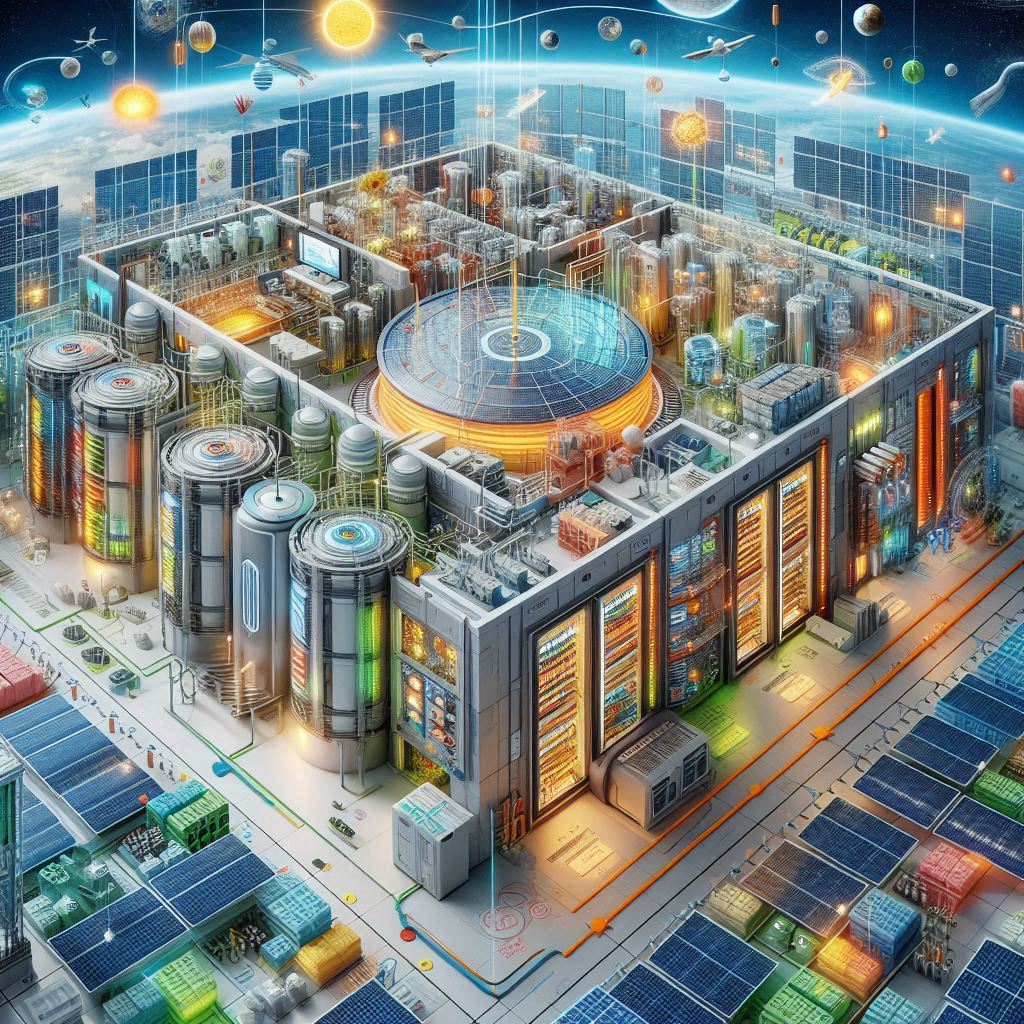
PCMs are classified based on their chemical composition and temperature ranges, making them adaptable for various building environments. There are three primary categories:
1. ORGANIC PCMS
Organic phase change materials, primarily paraffin waxes and fatty acids, are some of the most widely used PCMs in building applications.
- Paraffin Wax: These hydrocarbons have a melting point typically between 20°C and 30°C, ideal for thermal storage in moderate temperature climates. Paraffin is stable, non-corrosive, and chemically inert.
- Fatty Acids: Another type of organic PCM, fatty acids, are derived from natural sources like animal fats and vegetable oils. Their melting points can be customized depending on building requirements.
Pros:
- Stable over repeated cycles.
- Low supercooling (the tendency to remain in a liquid state after cooling below its freezing point).
- Non-corrosive and relatively safe to handle.
Cons:
- Lower thermal conductivity compared to other PCMs, which can limit efficiency without proper engineering.
- More expensive than inorganic PCMs.
2. INORGANIC PCMS
Inorganic PCMs include salt hydrates, a popular option due to their higher heat storage capacity and cost-effectiveness.
- Salt Hydrates: These PCMs, consisting of salts and water, can store large amounts of energy during melting and freezing. They are often used in high-temperature storage applications or for systems designed to operate under harsher conditions.
Pros:
- Higher energy storage density than organic PCMs.
- Relatively inexpensive and abundant.
- Faster charging and discharging rates.
Cons:
- Prone to phase segregation over time (leading to loss of thermal efficiency).
- More corrosive, requiring protective materials for encapsulation.
3. EUTECTICS
Eutectic PCMs are mixtures of two or more components that melt and freeze at a single temperature. These are designed to optimise the melting point and storage capacity for specific applications, such as hospitals and other sensitive environments where precise temperature control is essential.
Pros:
- Tunable melting points.
- High thermal efficiency when optimised for specific systems.
Cons:
- Complex to manufacture.
- May require more complex integration and higher upfront costs.
PROS AND CONS OF PHASE CHANGE MATERIALS GENERALLY
Pros:
- Energy Efficiency: PCMs can significantly reduce heating and cooling loads by storing excess thermal energy during periods of low demand and releasing it when required.
- Grid Flexibility: Integrating PCMs with smart, grid-interactive systems can lower peak demand by using stored energy during peak times, reducing reliance on the grid.
- Carbon Emissions Reduction: As PCMs optimise energy use and reduce the need for external energy sources, they contribute to overall carbon footprint reductions.
- Longevity: PCMs can operate for decades with minimal maintenance, improving the overall lifespan of HVAC and energy systems in buildings.
Cons:
- Initial Costs: While PCMs can deliver long-term savings, the upfront cost of retrofitting a large facility can be high, especially if extensive modifications are needed for system integration.
- Material Degradation: Some PCMs, especially inorganic types, may experience degradation over time, leading to a decrease in energy storage efficiency.
- Installation Complexity: Retrofitting a building with PCMs requires careful planning and may involve disruptions to building operations.
- Limited Conductivity: Without supplemental engineering solutions like heat exchangers, the thermal conductivity of certain PCMs can limit performance.
RETROFITTING A LARGE COMMERCIAL BUILDING OR FACILITY WITH PCMS
When considering a PCM retrofit for a large commercial building, university, or hospital, a few essential factors come into play, especially when integrating these systems with grid-interactive utilities.
FEASIBILITY STUDY AND SYSTEM DESIGN
Before undertaking a PCM retrofit, a comprehensive feasibility study is required. This involves an analysis of the building’s energy usage patterns, existing HVAC systems, and compatibility with potential PCMs. For buildings with grid-interactive systems, the study would focus on how PCM technology could be integrated with on-site renewables or demand-response strategies.
INSTALLATION
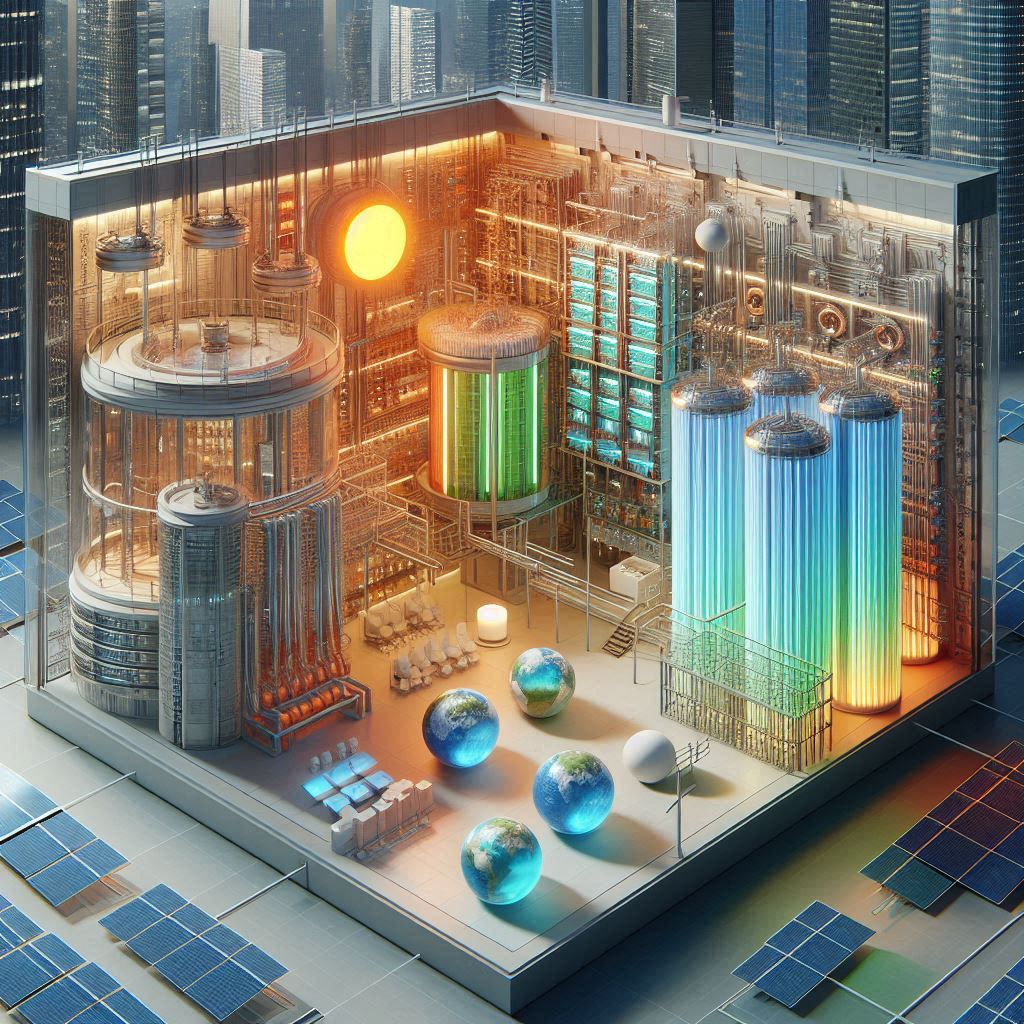
The installation process generally involves adding PCM-enhanced thermal storage systems to the existing HVAC infrastructure. In some cases, encapsulated PCMs can be integrated directly into building materials, such as wall panels, ceiling tiles, or floor slabs, which help regulate indoor temperatures. These systems are connected to the building management system (BMS), enabling real-time monitoring and control over energy storage and release.
In university campuses or hospitals, where demand fluctuations are high, this can provide a crucial buffer against grid instability, supporting both energy efficiency goals and operational continuity during peak times. Hospitals, in particular, can benefit from PCMs due to their stringent temperature control needs in sensitive areas like operating rooms and pharmaceutical storage.
MAINTENANCE AND OPERATIONAL OPTIMISATION
Once installed, PCM systems require minimal maintenance, though periodic checks on the integrity of the materials are necessary. For inorganic PCMs, special attention is needed to ensure that phase segregation does not occur. Facility managers should also monitor the overall system performance via the building’s analytics platform, such as Asset Assess, to track energy savings and system efficiencies.
IN SUMMARY
Phase change materials represent an exciting frontier in thermal energy storage, offering a practical solution to the energy challenges faced by large commercial buildings, universities, and hospitals. While the upfront costs and complexity of retrofitting may pose challenges, the long-term benefits in energy savings, grid flexibility, and reduced carbon emissions make PCMs a worthy investment. For organisations looking to improve their energy efficiency, a PCM retrofit—when combined with a smart building analytics platform—can deliver significant, sustainable performance improvements.
By embracing PCMs, facilities can stay ahead of the curve in achieving both energy efficiency and resilience, while contributing to a greener, more sustainable future.
 Intelligent Insights : Efficient Buildings
Leave a comment