

When people think about building efficiency, they often imagine large-scale projects or hefty capital investments. However, the reality is much more subtle. The daily, often minor, decisions made by the people managing and maintaining buildings are at the core of operational success. Each small action contributes to a building’s overall performance, helping to meet sustainability targets, improve occupant satisfaction, and optimise costs.
At Asset Assess, we believe that understanding the power of these small actions – paired with the right tools – can drive significant change. Our advanced Fault Detection and Diagnostics (FDD) platform provides building managers with the insights they need to make data-driven adjustments, optimising efficiency and driving value across multiple areas, including energy consumption, equipment risk, water management, and indoor environment quality.
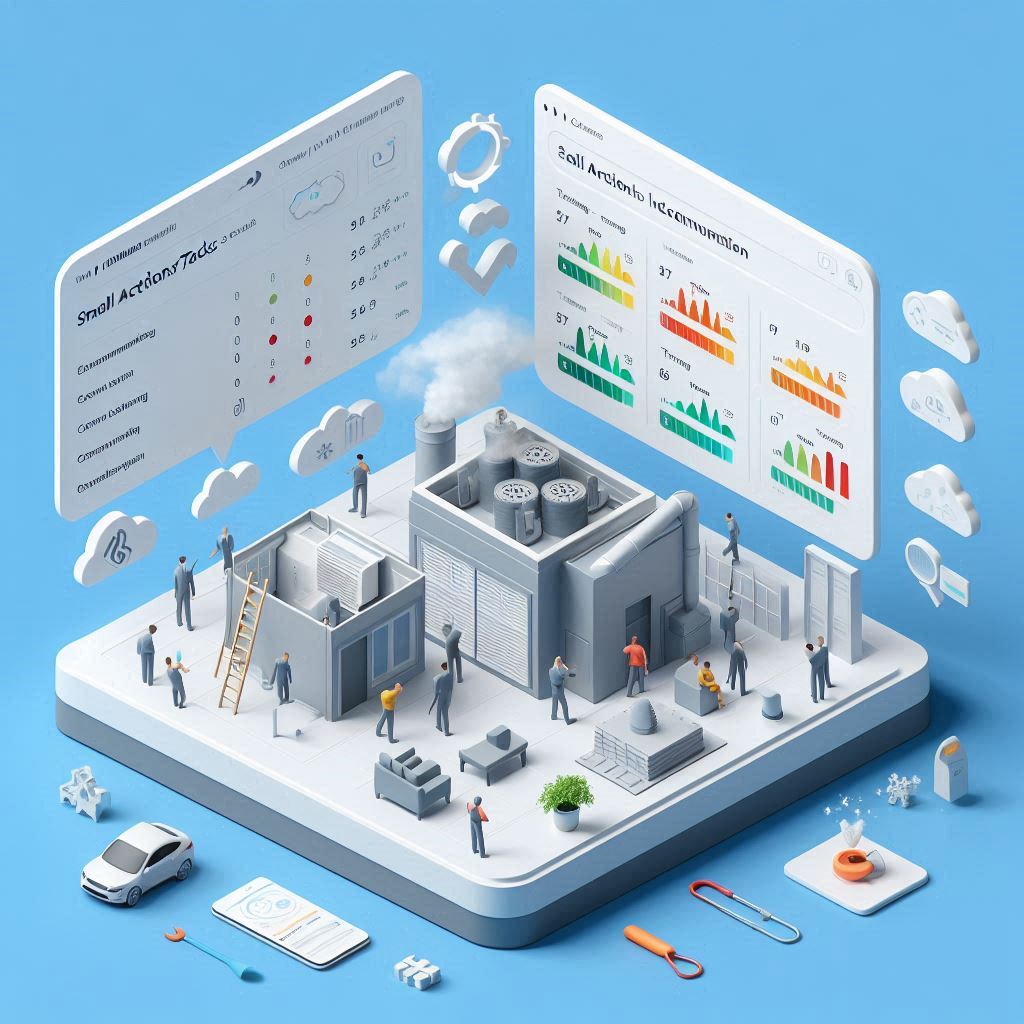
THE IMPACT OF SMALL DECISIONS IN BUILDING OPERATIONS
In commercial real estate, success is the result of collaboration between diverse groups of stakeholders. Facility managers (FMs), tenants, contractors, and asset managers all play a role in ensuring buildings perform efficiently.
While the decisions we make may seem insignificant, their cumulative effect can be transformative. Simple actions like refining HVAC control strategies or managing lighting systems more effectively can lead to significant reductions in energy consumption and operational costs, moving buildings closer to sustainability goals.
Asset Assess’ cloud-based HVAC analytics platform is designed to capture these opportunities.
Our platform monitors a building’s operational data and offers targeted, actionable insights that allow users to make small but impactful changes in real-time, ensuring efficient use of energy and resources.
OPTIMISING ENERGY CONSUMPTION
Energy efficiency is a cornerstone of sustainable building management. Yet, improving energy performance doesn’t always require substantial investment or infrastructure overhaul. Instead, small actions such as optimising equipment schedules or resetting HVAC systems can have a significant impact.
Asset Assess’ platform identifies common inefficiencies, including:
- Overnight and weekend operation of air handlers, chillers, and other equipment that leads to energy waste. Our system flags unnecessary operation, helping building managers adjust schedules so systems only run when needed.
- Economy mode overrides that bypass energy-saving settings. For example, if an HVAC system switches out of economy mode, our platform notifies building managers so that the settings can be restored quickly, ensuring ongoing energy optimisation.
- Chilled water overcooling and supply pressure oversupply, which waste energy and reduce the lifespan of mechanical systems. By balancing these settings, building managers can extend equipment life and reduce overall energy use.
With these tools at their disposal, property owners and managers can significantly cut their utility costs while improving sustainability outcomes.

PROACTIVE WATER MANAGEMENT
Water management is another area where small changes can lead to big savings. Excess water usage in cooling towers or bathroom fixtures may go unnoticed during normal operations, but with advanced monitoring, building managers can detect and address these inefficiencies quickly.
For instance, overnight water consumption that exceeds expected levels or varies from historical usage may signal a leak or an inefficient system running unnecessarily, such as a cooling tower that hasn’t been shut off. With real-time alerts, Asset Assess’ platform helps identify and correct these issues before they lead to costly waste.
Similarly, excessive water usage in specific fixtures or during off-hours can be addressed by implementing low-flow fixtures or scaling back operations during weekends and holidays.
These small adjustments contribute to significant reductions in water consumption, helping meet sustainability goals while cutting operating expenses.
ENHANCING INDOOR ENVIRONMENT QUALITY
One often overlooked yet critical factor in building management is indoor environment quality (IEQ). Air quality, temperature regulation, and ventilation systems all directly impact tenant comfort, productivity, and well-being. Studies have shown that a healthy indoor environment can reduce absenteeism and improve overall tenant satisfaction.
Asset Assess’ platform plays a key role in ensuring high IEQ by:
- Monitoring critical sensors to detect temperature regulation or air quality issues before they impact occupants.
- Identifying airflow blockages and HVAC system malfunctions, such as failed dampers or inefficient air handlers/economisers. Quick fixes to these issues ensure consistent airflow, correct quantity of outside air and appropriate temperature control, creating a healthier and more comfortable environment.
By addressing these factors, building managers can enhance tenant satisfaction, improve occupant health, and ultimately contribute to a more productive and enjoyable working environment.

CONCLUSION: SMALL ACTIONS, BIG RESULTS
The cumulative effect of small actions, when properly guided by data-driven insights, can have a profound impact on building efficiency, sustainability, and financial performance. Asset Assess’ FDD platform empowers building managers to make these changes with confidence, knowing that even small adjustments in energy use, water management, and IEQ will drive significant improvements over time.
In a world where sustainability and operational efficiency are more important than ever, the ability to act on small inefficiencies can make all the difference. By leveraging Asset Assess’ advanced analytics tools, building owners and managers can reduce costs, enhance tenant experiences, and work towards long-term sustainability goals – one small action at a time.
 Intelligent Insights : Efficient Buildings
Leave a comment